BehindThe Brand.
An internship inside the world of hospitality marketing.
I entered wanting to become better at marketing. I left understanding how much happens behind it.
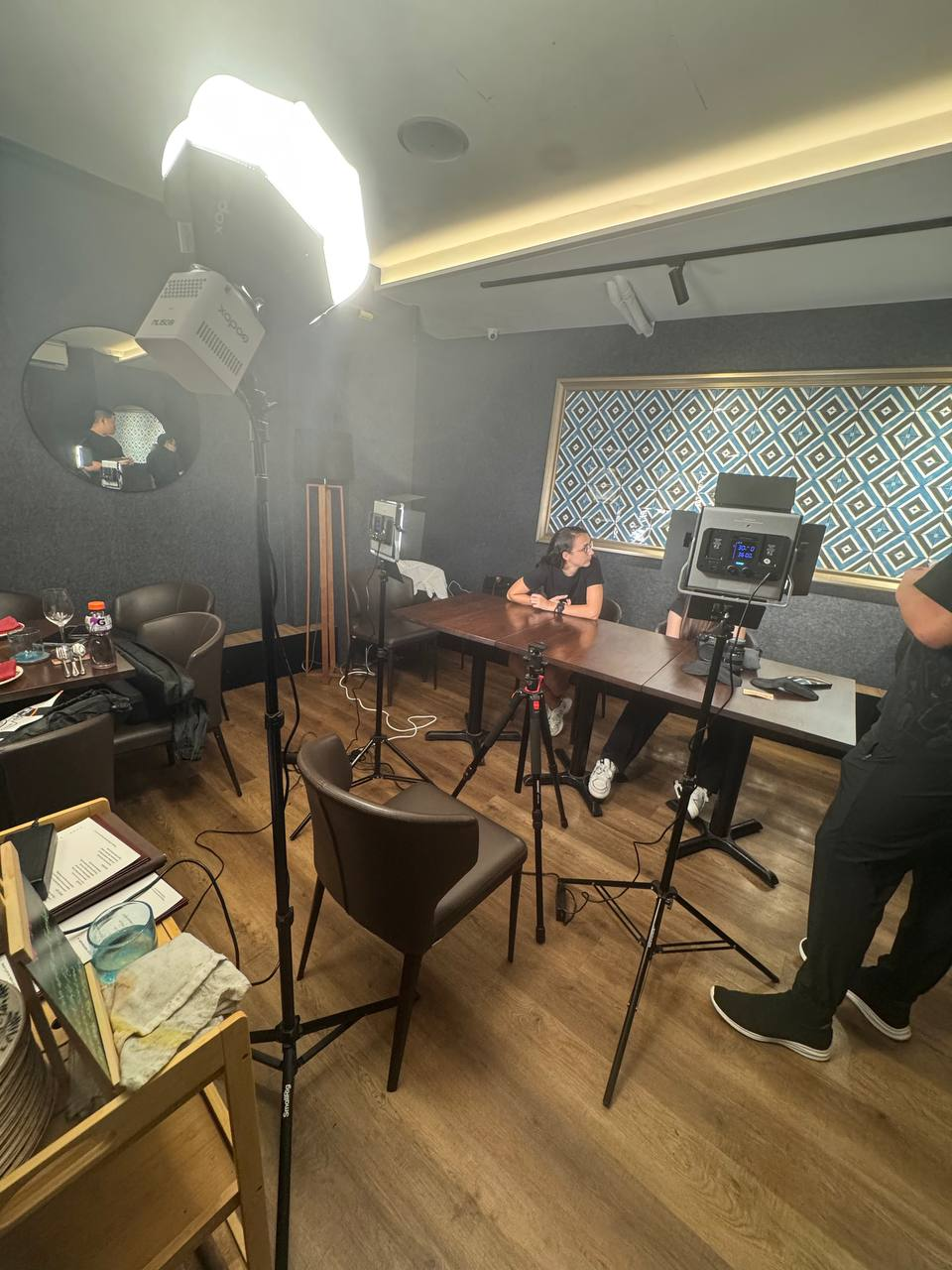
Four venues, one marketing team — content production, websites and SEO, WhatsApp and CRM, loyalty, paid social, and the systems holding them together.
The setting.
Cantera Collective is a Singapore hospitality group running seven restaurant concepts — Chicco, Il Toro, Kulto, Cenzo, Casa Mori, Humo and Bario — from one in-house marketing team. One team is responsible for everything a customer meets before, during and after a meal: search results and websites, social content, WhatsApp and CRM, paid social, events enquiries and loyalty.
I joined that team as a marketing intern for seven weeks, working across content production, brand positioning, digital discovery, advertising, retention design and development-led prototyping. This portfolio explores what that work taught me — the decisions behind each project, what it contributed to the team, and how my thinking changed between Week 1 and Week 7.
7 weeks.
One shift in thinking.
Not a timeline of tasks. Four stages in how I approached the work.
Observing
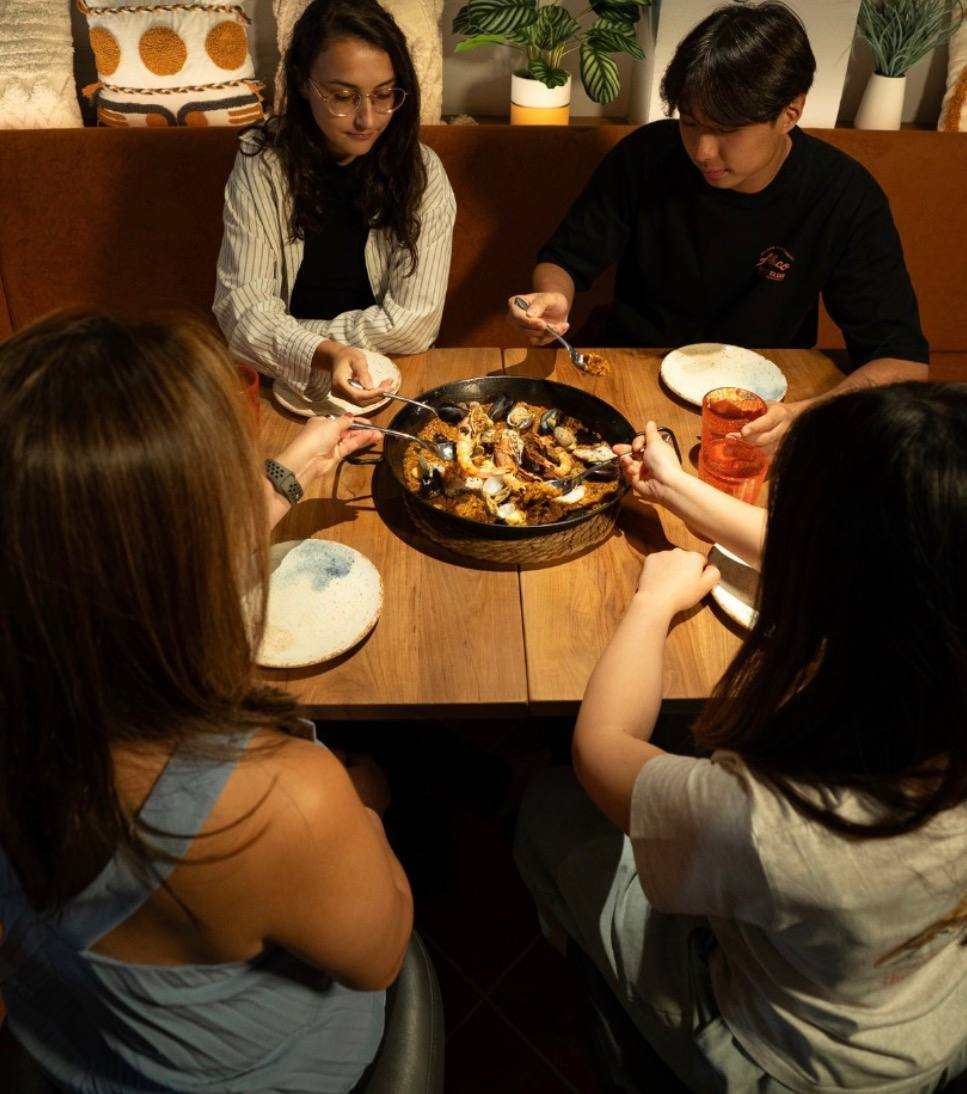
Four venues in one day: Chicco bright and affordable, Il Toro smelling of woodfire before the food arrived, Kulto mid-renovation, Cenzo paced course by course. I was learning how the restaurants actually operated and how differently they each spoke.
The lesson I wrote down that week was about stakeholders — that a recommendation has to work for owners, chefs, service staff and suppliers, not only for customers.
Doing
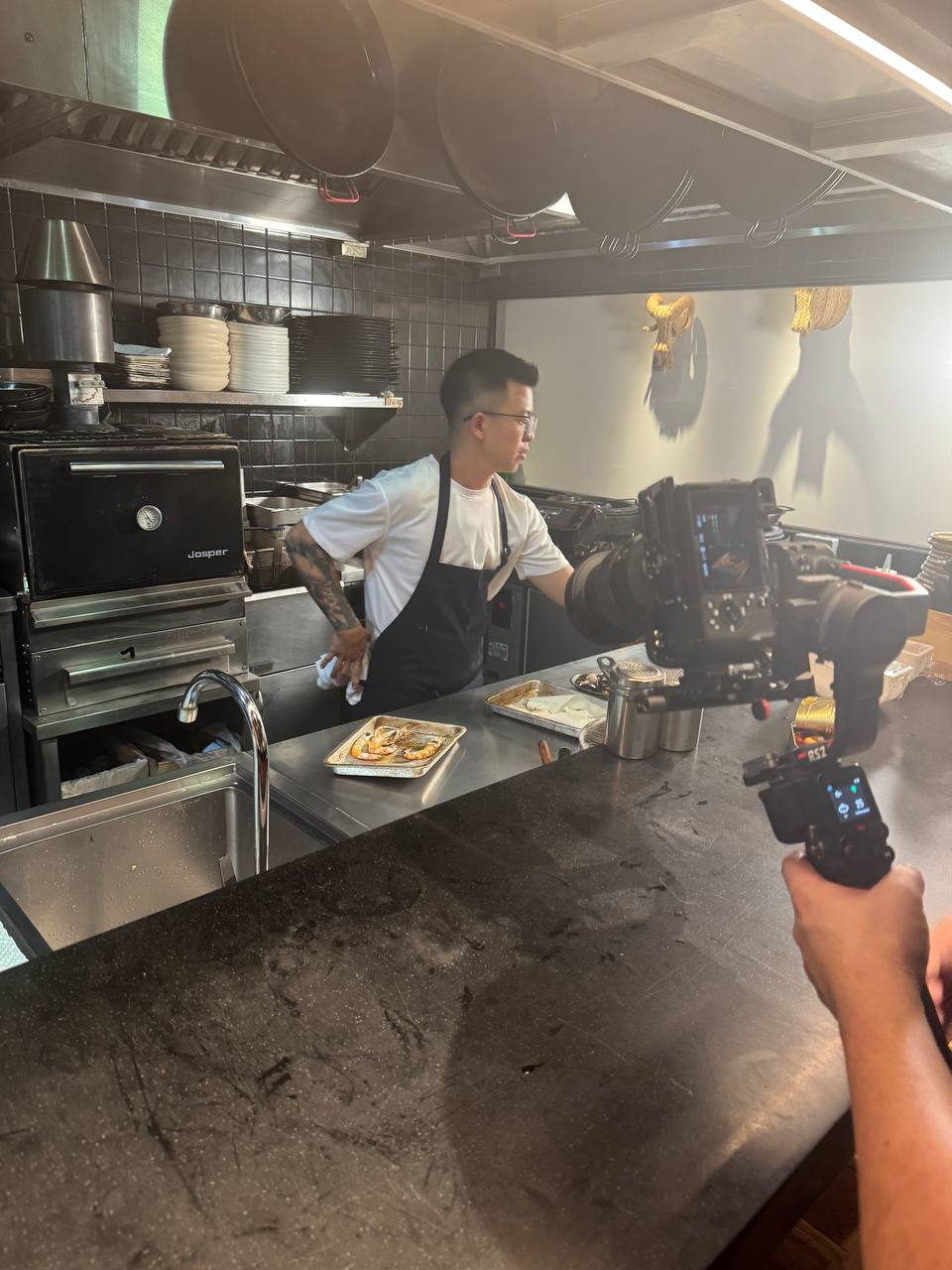
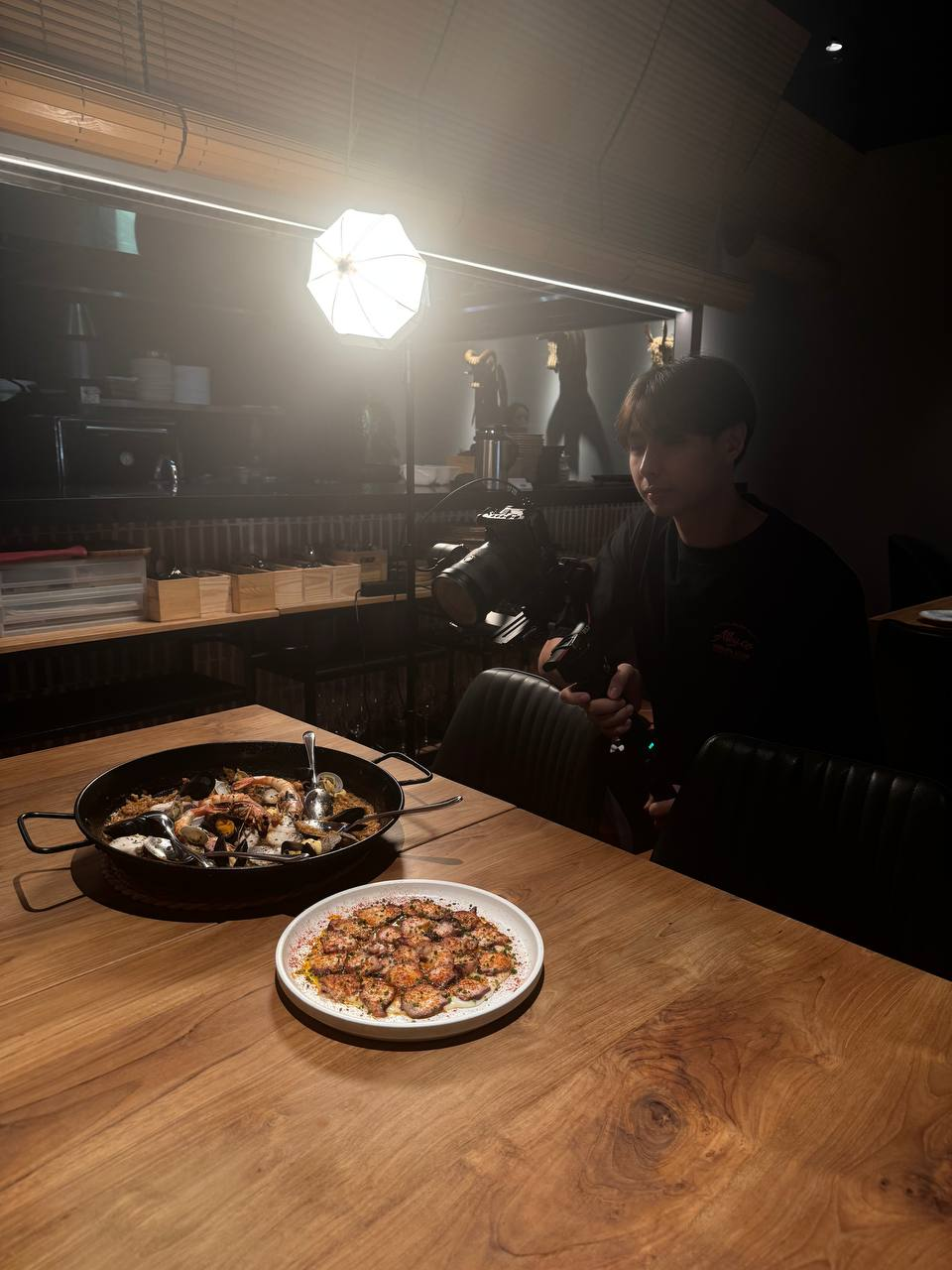
Camera settings and lighting on the Casa Mori menu shoot. WhatsApp copy, captions, hashtags and Metricool scheduling. Audiences filtered in Meta Ads Manager. Editing across brands, and finding out in the edit what the shoot had missed.
This was where 'film more than you need' stopped being advice and became a habit, because I had already been caught without the shot.
Questioning
Building Chicco's TikTok strategy, I found the most polished content was performing worst. Building the events kit for three venues, I found a symmetrical layout hid the differences customers were choosing between.
I stopped asking how to execute a format and started asking why one format worked for this brand and not for the one next door.
Thinking beyond the task
A draft Events Toolkit website, storyboard concepts tested by actually filming them, and a mock membership system with group accounts, a points wallet and brand-specific rewards — plus a live event shot on a DJI Pocket 3 where nothing could be repeated.
By Week 7 I was proposing a first version designed to be adjusted with real behaviour, rather than trying to deliver a finished answer with data that did not exist yet.
What changed
in seven weeks.
Three areas, each with a Week 1 starting point and a Week 7 one.
Production
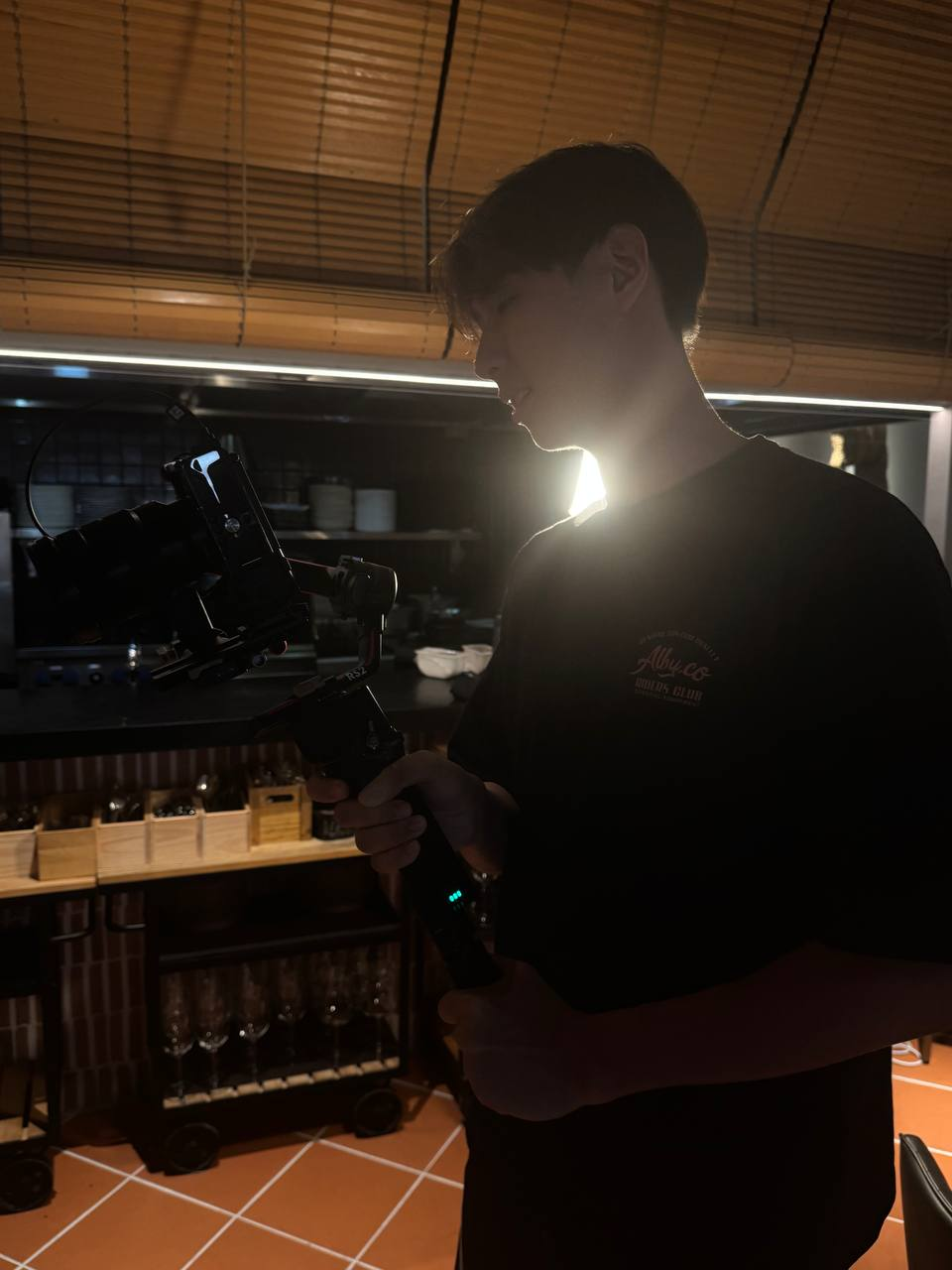
Day 3, handed two cameras with no real idea what I was doing.
Week 7, setting lights, camera height and angles for a shoot with the owners and chefs.
Strategic thinking
Week 1, a brief meant produce the asset that was asked for.
Week 7, a brief means define the audience, the occasion and what the venue can credibly claim first.
Decision-making
Week 6, working from my own reading of a brief because it was faster.
Week 7, confirming the brief in writing, deciding what information would change the answer, then committing with a review date.
- Content.
- Customers.
- Search.
- Loyalty.
- AI.
- Brand.
What looked like
separate tasks
became parts of
the same system.
Selected experience
Six areas that changed the way I think.
At the beginning
I asked:
- “Does this look good?”
- “Can I finish this quickly?”
By the end
I was asking:
“Does this fit the brand?”
“Who is this for?”
“What are we trying to achieve?”
“Does this actually create value?”
“Is the fastest solution the right solution?”
Marketing is a loop.
Not a post.
The process page shows how I work through a marketing problem now — and how I want to make decisions without letting analysis replace action.
See the process